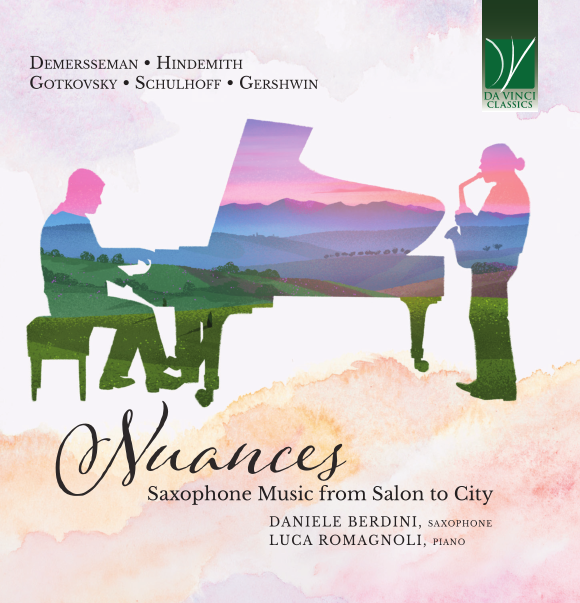
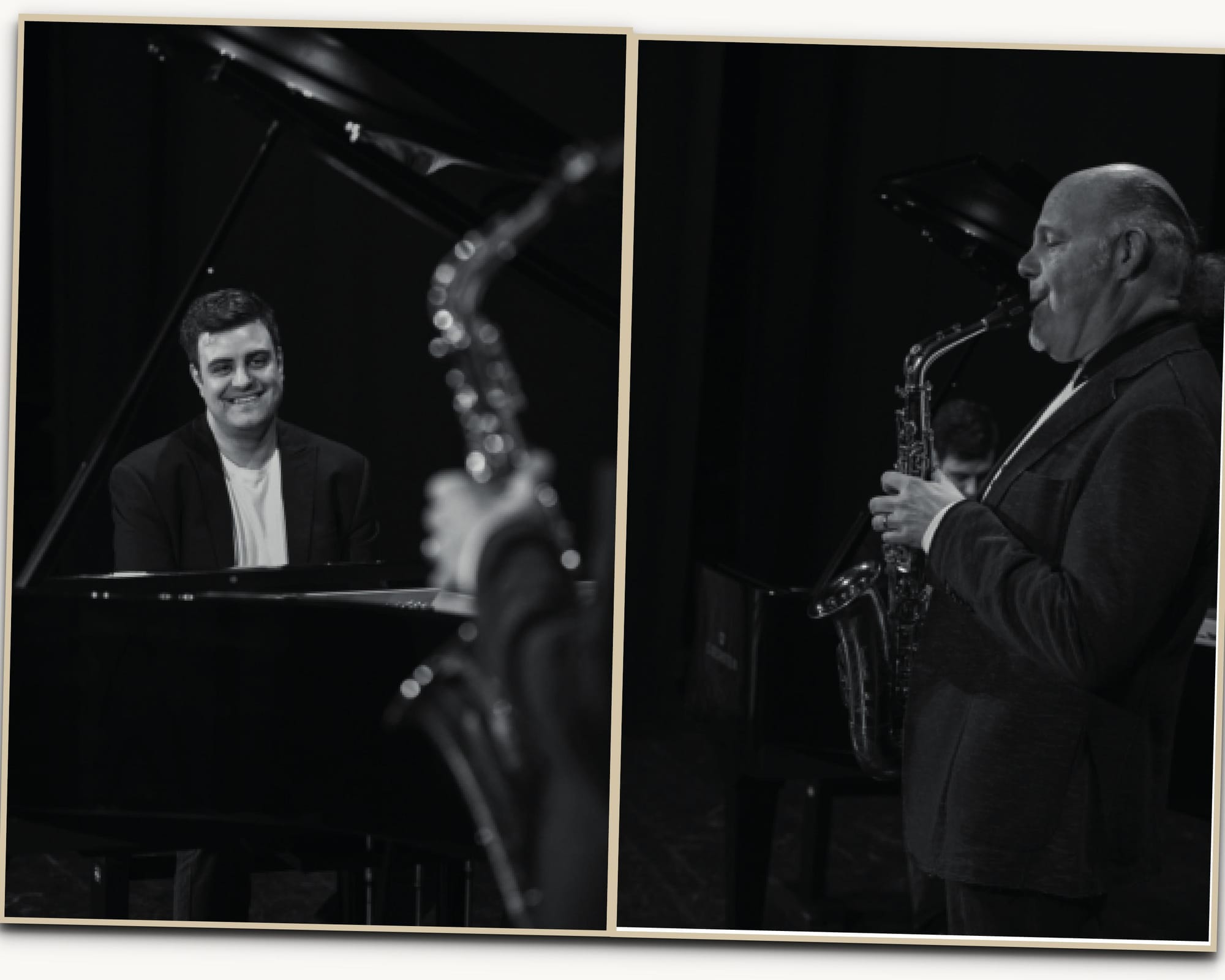
There is a thread binding the voice of the saxophone to a frontier destiny, suspended between the nobility of song and the urgency of rhythm. It is no coincidence that the instrument invented by Adolphe Sax in the 1840s was born as a mediating hybrid—between woodwinds and brass, between the military band and the concert hall—and that this dual vocation has shaped its entire historical trajectory, from the Romantic salon to jazz and beyond. It is precisely this double register that forms the backbone of Nuances – Saxophone Music from Salon to City, recently released by Da Vinci Classics. The new album features Daniele Berdini on saxophone and Luca Romagnoli on piano, a duo that since 2020 has dedicated much of its concert activity to exploring original repertoire for this formation. The program, featuring pieces by Jules Demersseman, Paul Hindemith, Ida Gotkovsky, Erwin Schulhoff, and George Gershwin, does not follow chronological order. Instead, it is most effectively read as a diptych: on one side, the heritage of the nineteenth-century salon and its cantabile echo; on the other, the urban and contrapuntal restlessness of twentieth-century Central Europe, with late-century France serving as an effective bridge between the two worlds. It is an interpretative key suggested by the title of the album itself, and one that both performers seem to have embraced right from the selection of the program, even before its execution.
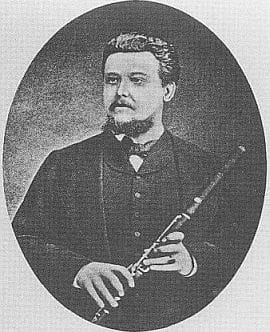
Ideally opening this side is the Fantaisie sur un thème original by Jules Demersseman, a flutist and one of the very first composers to grasp the potential of Adolphe Sax’s newly created instrument. The piece—a theme and variations preceded by a piano introduction with a strong dramatic impact—presents a saxophone that is still young, yet already capable of flexible phrasing, agility, and an almost improvisatory breadth in the cadenza. This is music designed to seduce a private concert audience and, as such, asks the performer for elegance of touch rather than dramatic thrust.
At a chronologically distant pole, yet close in temperament, sit George Gershwin’s Three Preludes, the composer's only concert piano pieces published during his lifetime and transcribed here for the duo. Originally written for solo keyboard—part of a larger cycle of American preludes that Gershwin envisioned and mostly abandoned—they reveal in this saxophone version an almost implicit vocal quality: the first thrives on biting syncopations and a blues-tinged theme; the second unwinds into a nocturnal and inward-looking lullaby; the third brings to the surface that Hispanic-American component that animates so much music between Broadway, Harlem, and imported Latin rhythms. It is music that, despite being born far from the European salon, shares its theatrical flair and an aptitude for communicating immediately with the audience. In the duo’s performance, these pieces confirm a quality that runs through the whole album: transitioning naturally—one might even say nonchalantly—from Demersseman’s salon charm to entirely different expressive moods, without any break in stylistic continuity and without the change of register ever feeling artificial or forced.
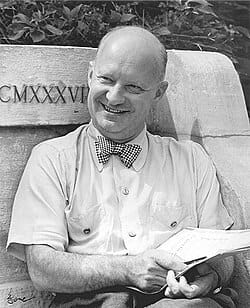
The opposite side of the program opens with Paul Hindemith’s Sonata, a piece belonging to the composer's great cycle of sonatas for wind instruments and piano written during his years of American exile. Originally conceived for the Althorn—the alto horn in E-flat used in German brass bands—it is restored here to the alto saxophone with full timbral legitimacy, lying in the same vocal register and sharing the spirit of searching for a unique moral profile for each instrument that characterizes Hindemith's entire cycle. It is music that demands structural rigor before effect: a thoughtful, almost pastoral first movement crossed by an irregular counterpoint that breaks its apparent calm; a second movement of tighter nervousness; a Sehr langsam that concentrates the melody into a brief, interior space, almost suspended, before the energetic and rhythmically assertive drive of the Lebhaft finale. Berdini and Romagnoli effectively convey this elaborative, contrapuntal dimension, where the dialogue between the two instruments becomes dense and the layers weave together without ever overlapping, keeping the austerity of the score intact while retaining that more human, almost vocal colour that a wind instrument brings compared to its original brass band destination.
If Hindemith represents the pole of discipline, Ida Gotkovsky—a student of Messiaen and the legendary Nadia Boulanger at the Paris Conservatoire—steers the narrative toward an unbridled, pyrotechnic virtuosity. Brillance, a work in four movements, moves from the broad improvisatory arc of Déclamé to the almost choreographic scherzo of Désinvolte, from the contemplative tenderness of Dolcissimo to the perpetual motion of the Final: a formidable technical test that the duo tackles with poise, without the virtuosic writing ever devolving into mere display.
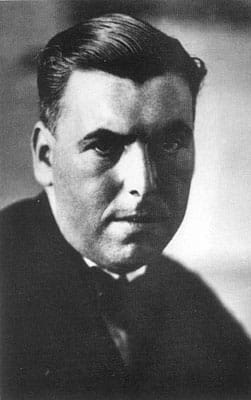
But it is in Erwin Schulhoff’s Hot Sonate that, in my view, the album reaches its performance apex. Commissioned by Berlin radio and steeped right from its title in the jazz lexicon of the era—represented by that "hot" signalling a fiery, nervous, vibrant way of inhabiting rhythm—the Sonata moves through four movements with sharp theatrical profiles: spiced harmonies and supple syncopations in the opening, a rapid and snappy second movement, a distorted and grotesque blues in the third, and a vitality hovering between cabaret and modern machinery in the finale. Here, expressiveness, technical rigor, and phrasing rich in timbral nuance combine into a true test that the duo passes with total conviction: the dialogue between saxophone and piano reaches a level where neither instrument overwhelms the other, while attacks and tempos remain impeccably calibrated to the mocking, modernist momentum of Schulhoff’s writing.
Beyond the individual pieces, the album is compelling for an overarching quality: the performers' ability to blend the saxophone's timbre with that of the piano while keeping both distinct—a balance far from given, especially in passages of dense counterpoint or high-wire virtuosity. Listened to as a whole, Nuances works precisely because it rejects chronological linearity in favour of a dialogue between temperaments: on one side, the cantabile elegance of the Romantic salon and its American echo; on the other, the contrapuntal and rhythmic energy of the twentieth-century city, with Gotkovsky's France serving as a bridge between the two souls. Holding these two poles together is the sheer quality of the duo, who do not merely juxtapose distant styles, but inhabit them with an unfailing capacity for mutual listening, never allowing virtuosity for its own sake to prevail over the cohesion of the whole.
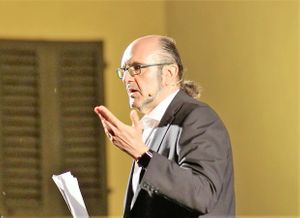
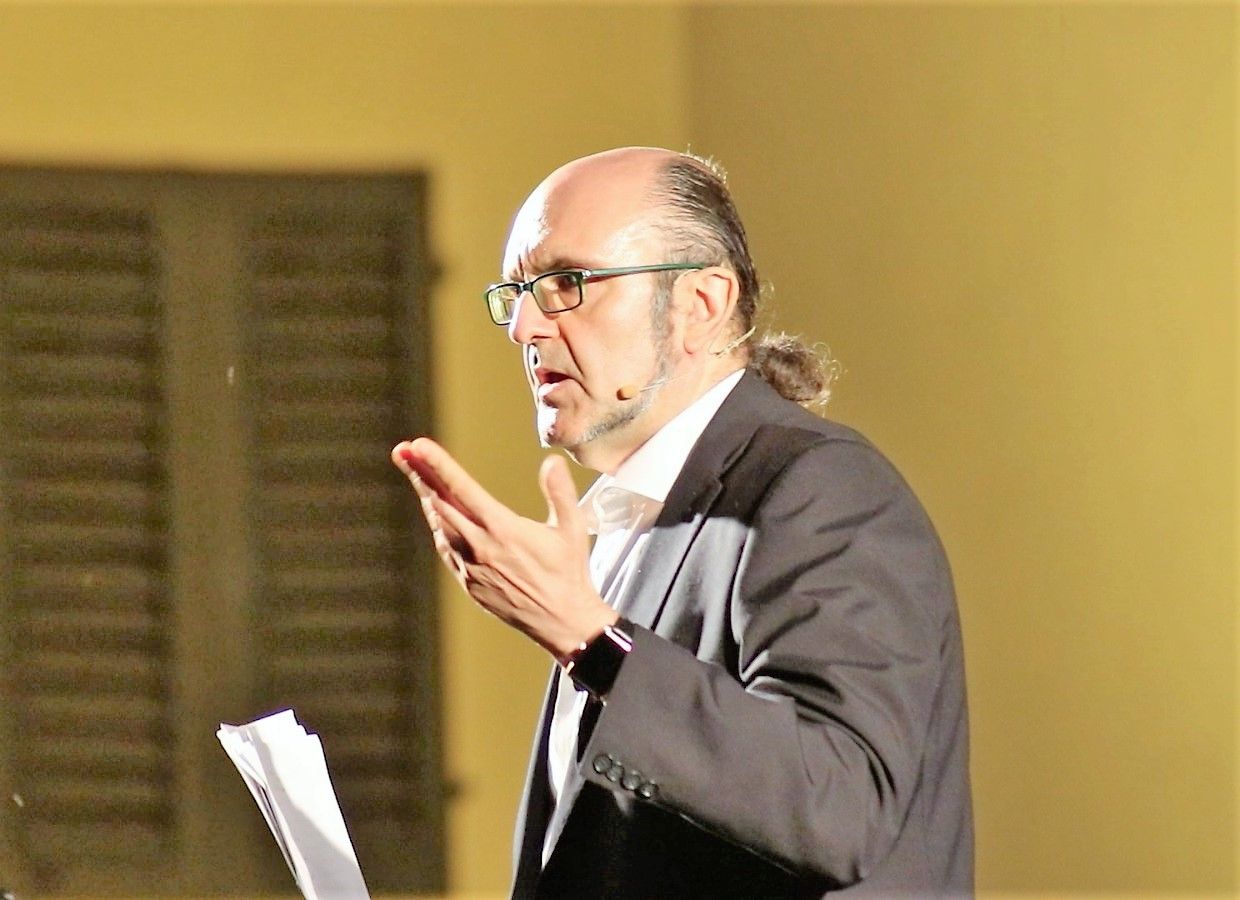
Berdini—a saxophonist with a long international career, featured in world premieres with Salvatore Sciarrino as part of the Lost Cloud Quartet, and currently professor at the Umberto Giordano Conservatory in Foggia—brings to this more traditional repertoire the same listening discipline homed in contemporary music: that ability to modulate timbre and dynamics which forms the defining hallmark of the entire album. Romagnoli, a younger yet already established pianist—winner of the "Città di Spoleto" Competition and a student of Andrea Lucchesini at the Fiesole School of Music—joins him with a style of piano playing that is never merely accompaniment, serving as a rhythmic engine when the score demands it and receding into transparency in the most cantabile episodes. The result is an album that, moving from the drawing room to the city, restores to the classical saxophone that dual nature—both aristocratic and popular—that has marked its entire twentieth-century journey, finding in this recording an interpretation capable of honouring both souls without sacrificing either.
This credit must be shared with the sound engineering by Francesco Sardella, recorded at the Teatro Alaleona in Montegiorgio, in the province of Fermo. The recording exhibits commendable dynamics, fast and energetic, presenting both instruments naturally without artificial coloration. The soundstage reconstruction slightly favours the saxophone, positioning it further forward than the piano, with a sound that radiates in height and breadth without smudging, always well-sculpted in the surrounding space. The tonal balance likewise does not disappoint: the registers of both instruments remain fully distinct throughout, never becoming muddy even in the most agitated passages and fortissimos. Completing the picture, the detail is defined by a considerable depth of background silence ideally surrounding both sax and piano, yielding a pleasingly three-dimensional image of each.
Andrea Bedetti
Various Artists – Nuances. Saxophone Music from Salon to City
Daniele Berdini (saxophone) – Luca Romagnoli (piano)
CD Da Vinci Classics C01201
Artistic rating 4,5/5
Technical rating 4/5